
Table of Contents
- Hemp and Soil Health
- Carbon Sequestration Benefits
- Water Efficiency in Hemp Cultivation
- Diverse Applications of Hemp
- Economic Opportunities for Farmers
- Challenges and Considerations
- Future Outlook
- Conclusion
As the agricultural industry faces growing pressure to lessen its environmental impact, there is a pressing need for crops that can align with sustainability goals. One such crop is industrial hemp, which holds exceptional promise across a range of uses and benefits. Increasingly, experts and farmers are turning to hemp for its versatility, resilience, and ability to thrive without heavy reliance on chemical inputs. For those interested in innovative agricultural trends and the crossover between hemp and modern products, consider exploring THC infused spirits in Florida for insights into new hemp-related markets. Understanding the broad advantages of hemp cultivation involves looking beyond the surface. Hemp not only enhances soil health and biodiversity, but it also provides powerful solutions for carbon sequestration, water conservation, and economic growth for farmers. Recognizing these advantages can help drive further adoption of hemp as a cornerstone of sustainable agriculture.
Hemp and Soil Health
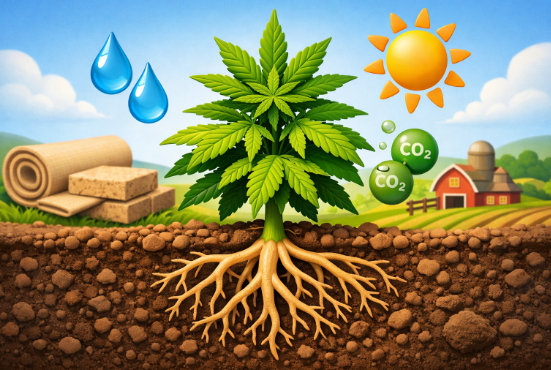
The impact of hemp on soil health is profound. Unlike some monoculture crops that can degrade soil quality over time, integrating hemp into crop rotations revitalizes the soil structure. Thanks to its extensive root system, hemp naturally aerates the soil, improving nutrient uptake for subsequent crops. The crop’s rapid growth rate also gives it a competitive edge over weeds, acting as a living mulch and reducing the need for chemical herbicides. This eco-friendly weed suppression supports a thriving soil ecosystem and can bolster the overall biodiversity of farming operations.
Carbon Sequestration Benefits
Among crops, hemp stands out as a key player in the battle to mitigate climate change. As it grows, hemp draws substantial amounts of carbon dioxide (CO2) from the atmosphere, locking away carbon in its stems, leaves, and roots. This process, known as carbon sequestration, makes hemp cultivation a climate-smart agricultural strategy. According to the United Nations Conference on Trade and Development, industrial hemp can capture significant amounts of CO2, making it an attractive option for sustainable farming systems.
Water Efficiency in Hemp Cultivation
Water management is at the heart of sustainability in agriculture, particularly in regions experiencing persistent droughts or water shortages. Hemp offers significant water-saving potential compared to traditional crops such as cotton. It thrives with relatively modest water use and can grow well in diverse climates with limited irrigation. This adaptability reduces the environmental footprint of agricultural operations and supports long-term resource conservation, particularly as global water crises intensify.
Diverse Applications of Hemp
Hemp’s commercial uses are vast and continually expanding. Its strong, durable fibers are used in textiles, rope, and specialty papers, providing sustainable alternatives to conventional products. Moreover, the plant’s seeds are rich in protein and essential fatty acids, making them an increasingly popular ingredient in health foods and supplements. The industrial sector has also recognized hemp’s potential for manufacturing biodegradable plastics and construction composite materials, further reducing reliance on non-renewable resources.
Economic Opportunities for Farmers
For producers, hemp offers a pathway to diversify income and hedge against the volatility of traditional crop markets. As consumer demand for sustainable products rises, so too does the market value of hemp-derived goods. This creates lucrative opportunities across multiple sectors, from textiles to food products to green construction materials. Farmers who adopt hemp cultivation may also benefit from government incentives and the potential for organic certification, which can further boost their profitability and contribute to rural economic development.
Challenges and Considerations
Despite its many benefits, growing hemp is not without challenges. Regulatory barriers at both state and federal levels can complicate processing, selling, and marketing hemp. A significant investment may also be required to access specialized machinery for harvesting and processing hemp fibers and seeds. Furthermore, developing stable supply chains and processing facilities in new hemp-growing regions is essential to unlocking the crop’s full economic and ecological potential. Overcoming these hurdles will require careful planning, continued advocacy, and policy reform to streamline and support the industry.
Future Outlook
The future for hemp in sustainable agriculture looks increasingly bright. Ongoing research is uncovering new uses and improving cultivation best practices, and evolving regulations continue to open up more opportunities for farmers and businesses. As the agricultural sector seeks practical solutions for climate and resource concerns, hemp’s unique qualities and multiple applications position it as a valuable crop for the coming decades. Those interested in staying current on these trends can consult reports from the United Nations Conference on Trade and Development, which frequently highlight hemp’s role in sustainable development and innovation worldwide.
Conclusion
Industrial hemp is emerging as one of the most promising crops in the movement toward more sustainable and resilient agricultural systems. Its ability to improve soil health, capture carbon, conserve water, and support a wide range of commercial applications makes it a valuable option for both environmental and economic progress. As demand for eco-friendly materials and sustainable farming practices continues to grow, hemp offers farmers and industries an opportunity to reduce environmental impact while diversifying income streams. Although challenges such as regulatory complexity, infrastructure development, and processing costs remain, ongoing research and evolving policies are helping pave the way for broader adoption. With continued investment and innovation, hemp could play an increasingly important role in addressing climate concerns, strengthening rural economies, and supporting the future of sustainable agriculture on a global scale.