
Addiction is a serious challenge that affects a person’s health, relationships, and daily life. Many people want to quit but struggle to do it alone because withdrawal symptoms and emotional stress can be overwhelming. A residential drug rehab center provides a safe and structured place where individuals can focus fully on recovery. These centers are designed to support people step by step so they can break free from addiction in a healthy and safe way. With professional care, medical support, and a stable environment, recovery becomes more possible and manageable.
Understanding a Residential Drug Rehab Center
A residential drug rehab center is a treatment facility where individuals live full-time while receiving help for substance addiction. Unlike outpatient programs, people stay at the center for a set period, which may range from a few weeks to several months. During this time, they follow a structured daily routine that includes therapy, counseling, and medical care.
The main goal of a residential drug rehab center is to remove a person from harmful environments and triggers that may lead to substance use. By staying in a controlled setting, individuals can focus completely on recovery without outside distractions or pressure.
Safe Environment and Medical Support
One of the biggest benefits of a residential drug rehab center is the safe and controlled environment it provides. When someone stops using drugs or alcohol, withdrawal symptoms can sometimes be painful or even dangerous. In a residential setting, medical professionals are available to monitor and manage these symptoms.
Doctors and nurses can provide medications and care to reduce discomfort and ensure safety during detox. This support helps individuals feel more secure and less afraid of the recovery process. Knowing that help is always available makes it easier for them to continue treatment without giving up.
Therapy and Structured Daily Routine
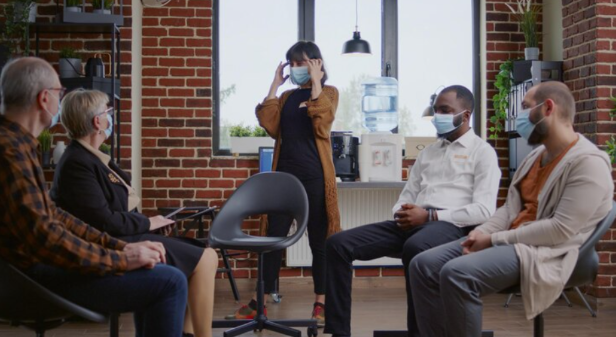
A residential drug rehab center also focuses heavily on therapy and personal growth. Individuals take part in different types of counseling, such as one-on-one therapy and group sessions. These sessions help them understand the root causes of their addiction and learn healthier ways to cope with stress and emotions.
Daily routines are also an important part of recovery. A structured schedule helps individuals build discipline and stability in their lives again. With planned activities, therapy sessions, and healthy habits, they slowly replace old destructive patterns with positive ones.
Building Long-Term Recovery and Support
Recovery does not end when a person leaves a residential drug rehab center. Most programs also prepare individuals for life after treatment. They may receive guidance on avoiding triggers, managing stress, and continuing therapy outside the center.
Many centers also connect people with support groups or follow-up programs. This ongoing support helps reduce the risk of relapse and encourages long-term recovery. By learning practical life skills and having a support system, individuals are better prepared to stay drug-free in the real world.
Conclusion
A residential drug rehab center plays a vital role in helping people overcome addiction safely and effectively. It provides a secure environment, medical care, structured routines, and emotional support that make recovery possible. More importantly, it gives individuals the tools and confidence they need to rebuild their lives. With the right guidance and commitment, breaking free from addiction becomes not just a goal, but a real and lasting achievement.