
Key Takeaways
- Choose a clinic led by experienced, board-certified hair restoration specialists with a strong medical background.
- Look for a full range of modern hair transplant techniques tailored to different stages of hair loss.
- Evaluate real patient testimonials and verified before-and-after results to understand expected outcomes.
- Prioritize clinics that use advanced technology for precision, comfort, and natural-looking results.
- Ensure transparent pricing and comprehensive post-procedure care for long-term success.
Hair loss can affect confidence, appearance, and overall self-esteem, but modern medical advancements have made long-term restoration more accessible than ever. Choosing the right hair transplant clinic Chantilly, VA is one of the most important steps in achieving natural-looking results that restore both hair density and confidence. A successful outcome depends on more than just the procedure itself. It relies on the medical team’s skill, the techniques used, and the level of personalized care provided throughout the process.
MD Hair Transplant is known for providing medically guided hair restoration solutions designed to address a wide range of hair loss conditions. Their focus is on creating natural-looking results that blend seamlessly with each patient’s existing hair while prioritizing safety, precision, and long-term growth. By combining clinical expertise with advanced technology, they help patients regain a fuller, more youthful appearance through carefully planned treatment strategies.
What Qualifications Should a Hair Transplant Specialist Have?
One of the most important factors in choosing a clinic is the qualifications of the medical team. Hair restoration should always be performed or supervised by a board-certified physician with specific training in hair loss diagnosis and surgical restoration techniques.
Experienced specialists are able to evaluate the underlying causes of hair loss, whether genetic, hormonal, or medical, and determine the most effective treatment approach. Clinics that prioritize ongoing education and training are more likely to stay current with evolving techniques and safety standards.
A qualified provider will also take time to review medical history, assess donor hair quality, and create a realistic treatment plan based on individual goals rather than offering a one-size-fits-all solution.
What Hair Restoration Techniques Are Commonly Used?
Modern hair restoration clinics offer a variety of advanced procedures designed to address different levels of hair loss. The most common techniques include Follicular Unit Extraction (FUE), Follicular Unit Transplantation (FUT), and refined implantation methods that improve precision and density.
FUE involves extracting individual hair follicles and implanting them into thinning or balding areas. This technique is minimally invasive and typically results in a quicker recovery. FUT, on the other hand, involves removing a small strip of scalp to harvest multiple grafts, often used for patients requiring a larger number of transplants.
Advanced implantation tools and techniques enable precise placement of grafts to match natural hair growth patterns, resulting in natural-looking outcomes rather than artificial or uniform results.
Why Are Before-and-After Results Important?
Before-and-after photos and patient testimonials provide valuable insight into the quality of a clinic’s work. They allow prospective patients to see real-world results and evaluate consistency across different cases.
Authentic patient feedback helps set realistic expectations for density, hairline design, and recovery. Clinics that openly share results demonstrate transparency and confidence in their work, which is an important indicator of trustworthiness and quality care.
How Does Technology Improve Hair Transplant Outcomes?
Advancements in medical technology have significantly improved hair restoration procedures. Modern tools enable more precise graft placement, reduced scalp trauma, and improved survival rates of transplanted follicles.
Technology also plays a role in planning procedures. Digital imaging and scalp analysis tools help specialists design hairlines that match facial structure and age, resulting in natural, balanced outcomes.
Patients also benefit from reduced downtime and improved comfort during and after the procedure when advanced techniques are used.
Why Is Personalized Treatment Planning Important?
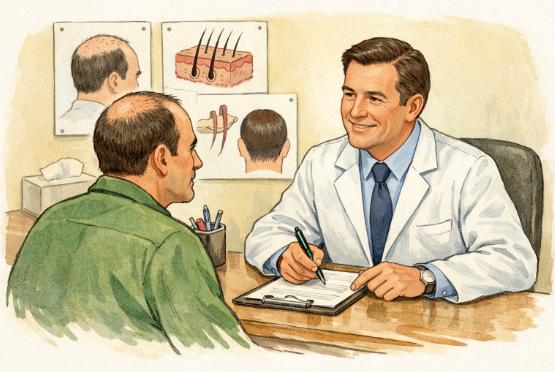
No two patients experience hair loss in the same way, which is why personalized treatment planning is essential. A thorough consultation allows specialists to assess hair density, scalp condition, and long-term goals before recommending a procedure.
A tailored approach may combine surgical restoration with non-surgical treatments such as platelet-rich plasma (PRP) therapy or medication to support existing hair and enhance results.
This individualized care ensures that each patient receives a solution that is both effective and realistic, tailored to their unique situation.
What Should Patients Know About Pricing and Aftercare?
Transparent pricing is an important part of the decision-making process. Patients should receive a clear breakdown of costs, including what is included in the procedure, follow-up visits, and any additional treatments.
Equally important is post-procedure care. Recovery support may include scheduled check-ins, detailed aftercare instructions, and access to medical staff for questions or concerns. Proper aftercare helps ensure optimal healing and improves the long-term success of the transplant.
Frequently Asked Questions
How long does it take to see results?
Most patients begin noticing new growth within three to four months, with full results typically visible between six and twelve months.
Is a hair transplant permanent?
Yes, transplanted hair is generally permanent because it is taken from areas resistant to genetic hair loss.
Is the procedure painful?
The procedure is performed under local anesthesia, so discomfort is minimal during treatment. Mild soreness afterward is common but temporary.
Who is a good candidate for a hair transplant?
Ideal candidates have sufficient donor hair and realistic expectations about achievable density and coverage.
How long is the recovery period?
Most patients return to normal activities within a few days, although full healing and growth occur gradually over several months.
Final Thoughts
Hair restoration is a highly personal decision that can significantly improve appearance and confidence when done correctly. Choosing a skilled and experienced provider is essential for achieving natural, lasting results.
With advanced techniques, individualized treatment planning, and a focus on patient-centered care, MD Hair Transplant provides comprehensive solutions for hair loss at different stages. Their approach combines medical precision with aesthetic expertise, helping patients restore not only their hair but also their confidence and quality of life.