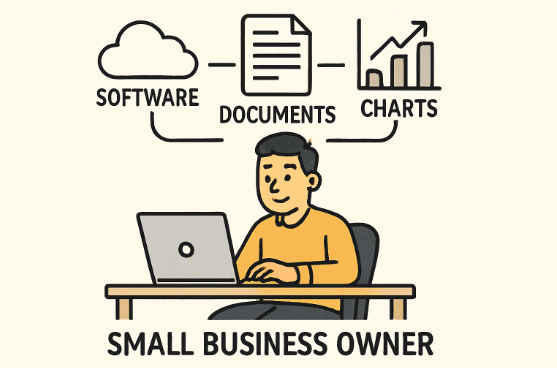

For small businesses, accounting is more than just tracking numbers; it is a foundation for growth, sustainability, and compliance. Implementing efficient accounting processes allows business owners to focus on what they do best while reducing risk and improving decision-making. From choosing the right tools to conducting regular reviews, adopting effective strategies can transform how small businesses handle their finances. Whether seeking advice from an accounting company Somerville, NJ, or utilizing the latest technology, business leaders can benefit from a streamlined approach.
Modern accounting practices deliver significant benefits, including time savings, reduced manual errors, and improved access to useful financial insights. As regulations grow more complex and competition intensifies, streamlining accounting helps businesses maintain compliance and gain a clearer understanding of their cash flow. Ultimately, efficient accounting protects against costly mistakes and builds a strong financial foundation, enabling businesses to thrive in today’s marketplace.
Adopt Cloud-Based Accounting Software
Cloud-based accounting software has changed the way small businesses manage their finances. It enables business owners, accountants, and team members to access up-to-date financial information from anywhere, creating flexibility and reducing the reliance on physical paperwork. These systems support real-time collaboration and can scale with your business as it grows. Recent data indicates that nearly two-thirds of small businesses now rely on cloud-based solutions to manage invoicing, payroll, and financial reporting.
With cloud accounting, small businesses benefit from improved security, automatic updates, and backups, ensuring that critical data is protected. Many platforms also offer customizable features that integrate smoothly with other business tools, making it easy to consolidate financial information for clear analysis.
Automate Routine Accounting Tasks
Automating routine accounting tasks is essential for small businesses aiming to save time and minimize errors. Accounts payable and receivable can be streamlined through automation, enabling faster transaction processing and fewer manual interventions. Recurring activities such as invoicing, payroll, data reconciliation, and expense tracking can be automated in modern software systems, enabling efficient handling.
Automating financial tasks can also support better compliance, as built-in checks and balances reduce the risk of overlooked details or late filings. This not only improves accuracy but also frees up staff to focus on more strategic business needs.
Consider Outsourcing Bookkeeping Services
Hiring an internal accounting team may be unfeasible for many small businesses, but outsourcing bookkeeping is an affordable and efficient alternative. By working with external professionals, business owners gain access to a higher level of expertise without the burden of overhead or ongoing software maintenance. Outsourced bookkeepers are well-versed in regulatory demands and can quickly adapt as laws evolve, helping businesses stay compliant at all times. Many organizations now choose this approach for its scalability and the ability to focus internal resources on core activities.
With the right partner, small businesses benefit from regular, accurate record-keeping, timely financial reporting, and valuable insights needed to guide critical decisions.
Conduct Regular Financial Reviews
Frequent reviews of financial statements and supporting records are vital for small businesses. Conducting monthly or quarterly financial reviews allows you to spot discrepancies, track progress toward goals, and proactively adjust to market changes. Regular internal audits can also help prevent fraud and highlight areas where procedures can be improved. Establishing these checks provides peace of mind, enhances transparency, and ensures business leaders have a reliable pulse on their company’s financial health.
Train Staff on Accounting Best Practices
Staff education is an often-overlooked part of effective accounting. Employees who understand core accounting principles and are trained in the latest financial software are better equipped to manage transactions, maintain records, and spot errors before they become major issues. Ongoing training also increases adoption of process improvements and fosters a culture of accountability throughout the organization, minimizing costly mistakes.
Integrate Accounting with Other Business Systems
Integrating accounting software with essential business systems, such as inventory management, sales platforms, and CRM tools, creates a smoother workflow and reduces inefficiency. This holistic view enables data to flow freely without manual reentry, helping avoid duplicate information or inconsistencies across systems. Integration also ensures that all financial, operational, and customer data is easily accessible for comprehensive business analysis.
Monitor Cash Flow Proactively
For small businesses, cash flow is often the difference between success and insolvency. Real-time cash flow monitoring tools are essential for spotting trends, anticipating shortfalls, and responding quickly to financial challenges. By understanding cash inflows and outflows, business owners are empowered to make better investment and operational decisions.
Stay Updated on Tax Laws and Regulations
Staying compliant with ever-changing tax laws and industry regulations is a major challenge for small businesses. Failing to keep pace can lead to missed opportunities for deductions or costly penalties. Subscribing to reputable industry newsletters and consulting with specialized advisors are practical ways to ensure your accounting practices always meet the latest standards. The IRS Small Business and Self-Employed section provides a range of useful resources for staying informed about federal requirements.
Conclusion
By embracing these practical steps and leveraging the right mix of technology, talent, and oversight, small businesses can build efficient accounting processes that support growth and protect against risk. Choosing the right strategy today leads to a streamlined and financially sound operation tomorrow.