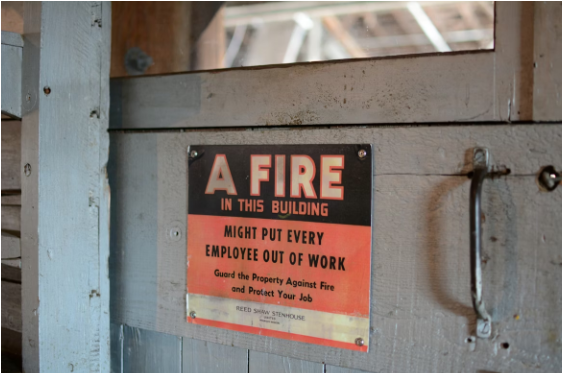

Fire door safety compliance is a critical aspect of building safety and fire prevention. Fire doors are designed to restrict the spread of fire and smoke, providing essential time for occupants to escape and for emergency services to respond effectively. Ensuring that these doors are compliant with safety standards is essential for protecting lives and property.
1. Understanding Regulatory Standards
Maintaining fire door safety compliance involves adhering to various established regulations and standards. The National Fire Protection Association (NFPA) provides guidelines that dictate the specifications for fire-rated doors, including maximum allowable clearances and the materials used.
Compliance with these standards ensures that fire doors perform effectively during emergencies. By following these guidelines, building owners can significantly reduce the risk of fire spreading, thus enhancing overall safety.
2. Protecting Occupants and Property
The primary purpose of fire doors is to safeguard building occupants and property. When fire door safety compliance is maintained, these doors can function as intended, delaying the spread of flames and smoke. This delay is crucial in giving occupants the necessary time to evacuate safely.
Additionally, protecting property by containing fires can substantially reduce damage, leading to lower repair costs and minimizing the financial impact on owners. Therefore, prioritizing fire door safety compliance is not just a legal obligation but a moral responsibility to ensure the safety of all occupants.
3. Avoiding Legal Ramifications
Failure to maintain fire door safety compliance can lead to serious legal consequences for building owners and managers. In the event of a fire, regulatory authorities may investigate compliance with safety standards. If fire doors are found to be non-compliant, this could result in fines, legal liability, and even criminal charges in severe cases.
Additionally, insurance claims may be denied if it is determined that fire door safety compliance was lacking. Therefore, maintaining compliance is not only about safety but also about protecting oneself from potential legal and financial repercussions.
4. Encouraging a Culture of Safety
By prioritizing fire door safety compliance, building owners foster a culture of safety within their properties. Regular inspections, maintenance, and staff training on safety protocols send a clear message to occupants about the importance of safety measures.
This proactive stance encourages residents and employees to pay attention to fire safety and compliance issues, promoting a collective responsibility for safety. When everyone in a building understands the importance of fire door safety compliance, the overall safety culture is strengthened.
5. Regular Maintenance and Inspections
Maintaining fire door safety compliance involves regular inspections and maintenance. Fire doors should be examined periodically for any damage, misalignment, or deterioration that could affect their performance. Effective maintenance practices should include checking the seals, hinges, and locking mechanisms to ensure they operate correctly.
Additionally, addressing any issues immediately will help keep doors in compliance and functioning optimally. By committing to regular inspections, building managers can prevent potential problems that could compromise safety.
Conclusion
In conclusion, the importance of maintaining fire door safety compliance in buildings cannot be overstated. Adhering to regulatory standards, protecting occupants and property, avoiding legal repercussions, encouraging a culture of safety, and committing to regular maintenance are all crucial aspects of effective fire door management.
By prioritizing fire door safety compliance, building owners not only meet legal obligations but also create safer environments for all who occupy their spaces. Implementing these best practices is a foundational step toward enhanced safety and fire prevention in any building.