
Understanding Scrap Iron
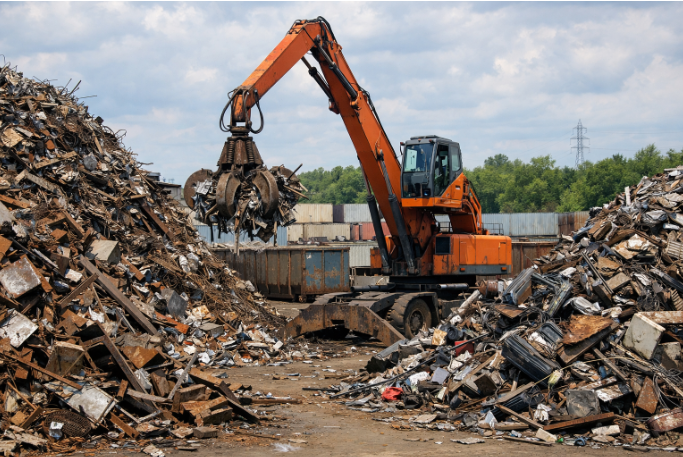
Scrap iron encompasses discarded metal materials that still contain valuable iron and can be reprocessed for new uses. This material turns up in everything from aging household appliances to structural components in demolished buildings and out-of-service vehicles. Instead of ending up in a landfill, scrap iron begins a new lifecycle, helping conserve natural resources and limit environmental harm. When asking what is scrap iron used for, it becomes clear that recycled iron is an essential resource for numerous industries looking to reduce costs and support sustainability.
The collection and reprocessing of scrap iron is a crucial industry practice worldwide. By recycling existing iron products, industries can avoid the extensive environmental impacts of mining new iron ore. This closed-loop approach supports a circular economy and dramatically reduces waste and carbon emissions. Another notable aspect of iron recycling is its role in meeting industrial demands while reducing reliance on virgin materials. As societies grow and infrastructure expands, so does the need for metals. Unlike some materials, iron can be recycled repeatedly without diminishing its strength or quality, making it an outstanding resource for supporting both economic and environmental objectives.
The Recycling Process
The journey of scrap iron from discarded object to reprocessed resource is intricate yet highly efficient. The following stages maximize the value extracted from every bit of metal waste:
- Collection: Scrap is gathered from a vast array of sources, including old machinery, vehicles, domestic appliances, and construction debris. Licensed scrap yards, contractors, and even local government recycling programs contribute to this collection process.
- Sorting: Once collected, scrap materials are sorted to remove contaminants and separate ferrous metals, such as iron and steel, from non-ferrous metals. This step often relies on magnets and advanced automated sorting equipment, which improve accuracy and efficiency.
- Processing: After sorting, the clean ferrous metals are cut, shredded, and melted down in specialized furnaces. The resulting molten metal can then be cast into new shapes and products, ready to re-enter manufacturing pipelines.
Applications of Recycled Iron
Recycled iron forms the backbone of many industrial and consumer products, illustrating the versatility and value of this material. Some of the primary applications include:
- Construction: Steel beams, reinforcement bars, and other building materials are often produced using recycled iron, benefiting from its structural integrity and cost-effectiveness.
- Automotive: Modern vehicles contain significant amounts of recycled metal in their frames, engines, and body panels, reducing the need for newly mined materials.
- Household Appliances: Many home appliances, such as washing machines, refrigerators, and oven ranges, incorporate metal parts made from recycled iron, demonstrating its reach into daily life products.
Environmental and Economic Benefits
The impact of recycling scrap iron is profound. From resource conservation to positive economic ripple effects, the benefits extend across the globe:
- Energy Conservation: Steel production using recycled iron can use up to 92 percent less energy compared to refining new metal from ore, according to data from the U.S. Environmental Protection Agency.
- Resource Preservation: Recycling a single ton of steel conserves approximately 2,500 pounds of iron ore, 1,400 pounds of coal, and 120 pounds of limestone, making it an immensely resource-efficient practice.
- Economic Impact: The recycling sector supports thousands of jobs and builds resilient economies. The global ferrous metal recycling industry is valued at around £5 billion, underlining its significance both locally and internationally.
Challenges in Scrap Iron Recycling
Despite significant advancements and clear benefits, the process of recycling scrap iron is not without its difficulties. Industry professionals and policymakers continually strive to address the following concerns:
- Contamination: Scrap iron often contains plastics, paints, or other metals. Removing these contaminants is essential to maintain quality and safety in the resulting recycled metal products.
- Market Fluctuations: The value of scrap iron can swing significantly based on global commodity markets, making it difficult for recycling businesses to plan for the long term.
- Regulatory Compliance: Navigating environmental and workplace regulations requires constant vigilance and adaptation, as the industry operates under tight scrutiny to minimize pollution and ensure safety.
Innovations in Recycling Technology
The scrap iron recycling industry continues to evolve, spurred on by new technologies and research. These innovations make recycling more efficient, affordable, and accessible:
- Automated Sorting: Artificial intelligence and sensor-driven machinery enable faster, more precise separation of metals, increasing the quality of recycled materials.
- Energy-Efficient Furnaces: Cutting-edge furnace designs use less fuel and generate fewer emissions, slashing the environmental footprint of metal production.
- Mobile Recycling Units: Portable equipment can now process and sort scrap metals on site at major demolition or construction projects, reducing transportation emissions and costs.
Conclusion
The journey of scrap iron from waste to worth showcases the effectiveness and importance of recycling in modern society. Through dedicated efforts, discarded iron is transformed into foundational materials for construction, transport, and everyday appliances, reinforcing the cycle of reuse and sustainability. Ongoing improvements in technology and industry practices will ensure that recycling continues to save energy, conserve resources, and support thriving economies well into the future.