A busy commercial kitchen generates heat, smoke, and grease throughout the day. These elements accumulate in ventilation systems, particularly in filters that trap grease and airborne contaminants. Without regular cleaning, these filters become a fire hazard and reduce air quality. Maintaining a clean kitchen environment requires consistent maintenance of ventilation components.
Fire Hazards Increase Without Proper Filter Cleaning
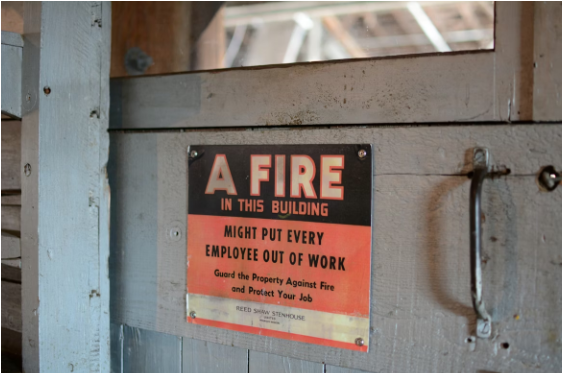
Grease and oil particles collect in kitchen filters every time food is prepared. Over time, this buildup becomes a major fire risk. A single spark or high temperature can ignite trapped grease, causing flames to spread through the ventilation system.
Commercial kitchen filter cleaning eliminates this threat by removing grease deposits before they reach dangerous levels. Keeping filters clean significantly lowers the risk of fire, protecting both the kitchen and the business. A well-maintained ventilation system creates a safer working environment for everyone.
Air Quality Suffers in a Neglected Kitchen
Dirty kitchen filters trap smoke, steam, and airborne particles, leading to poor indoor air quality. Staff members working in a poorly ventilated kitchen may experience breathing difficulties, headaches, or irritation from lingering smoke.
Regular cleaning of kitchen filters ensures that ventilation systems work effectively, allowing clean air to circulate. Customers also benefit from a well-ventilated space, as odors and smoke are properly filtered out. Investing in routine maintenance creates a healthier environment for employees and guests.
Health Standards Depend on Clean Kitchen Filters
Restaurants and commercial kitchens must meet strict health codes to remain operational. Poor ventilation due to clogged filters can lead to contamination, putting food safety at risk. Grease buildup also attracts pests, creating further hygiene concerns.
Routine commercial kitchen filter cleaning helps maintain a clean workspace, preventing harmful bacteria and mold growth. Health inspectors look for signs of negligence, and failing to keep filters clean can result in fines or even closure. A properly maintained kitchen stays in compliance with industry standards.
Commercial Kitchen Filter Cleaning Keeps Equipment Efficient
Ventilation systems work best when airflow is unrestricted. Clogged filters force exhaust fans and other equipment to work harder, reducing overall efficiency. When grease and debris accumulate, fans struggle to pull smoke and heat away from cooking areas.
Regular Commercial Kitchen Filter Cleaning ensures that ventilation systems operate at peak performance. Clean filters improve airflow, helping equipment last longer and function properly. Kitchen staff can work in a cooler, more comfortable space when ventilation systems are well-maintained.
Energy Costs Rise When Filters Are Dirty
Blocked filters make exhaust fans work harder, leading to increased energy consumption. When ventilation systems operate inefficiently, utility costs rise significantly. Kitchens that ignore regular filter cleaning often experience higher electricity bills due to overworked systems.
A well-maintained filter allows for smooth airflow, reducing the strain on kitchen equipment. Commercial kitchen filter cleaning not only enhances performance but also saves money in the long run.
A Clean Kitchen Filter Extends the Life of Ventilation Systems
Ventilation systems in commercial kitchens represent a significant investment. Without proper maintenance, grease and debris clog the system, leading to expensive repairs or replacements. Dirty filters reduce airflow, causing fans and ducts to deteriorate faster than expected. Regular cleaning preserves the longevity of these systems, reducing the need for frequent repairs.
Conclusion
A well-maintained commercial kitchen relies on efficient ventilation, and clean filters play a crucial role in safety and performance. Neglecting commercial kitchen filter cleaning leads to fire hazards, poor air quality, increased energy costs, and regulatory violations. Routine maintenance keeps kitchens safe, improves efficiency, and extends the life of expensive equipment.