Food presentation is more than just placing food on a plate; it is a creative process that transforms a meal into an experience. From fine dining establishments to home kitchens, the art of food presentation plays a crucial role in enticing the senses, stimulating appetite, and enhancing the overall dining experience. Through thoughtful arrangement, use of colors, textures, and garnishes, chefs and home cooks alike can elevate their dishes from mere sustenance to culinary works of art.
Central to the art of food presentation is the principle of balance and harmony. A well-presented dish should be visually appealing and balanced in its composition, creating a sense of harmony that invites the diner to engage with the meal on multiple levels. Chefs often use the rule of thirds—a principle borrowed from visual arts—to guide their plating, arranging components in a way that creates a pleasing asymmetry and draws the eye across the plate.
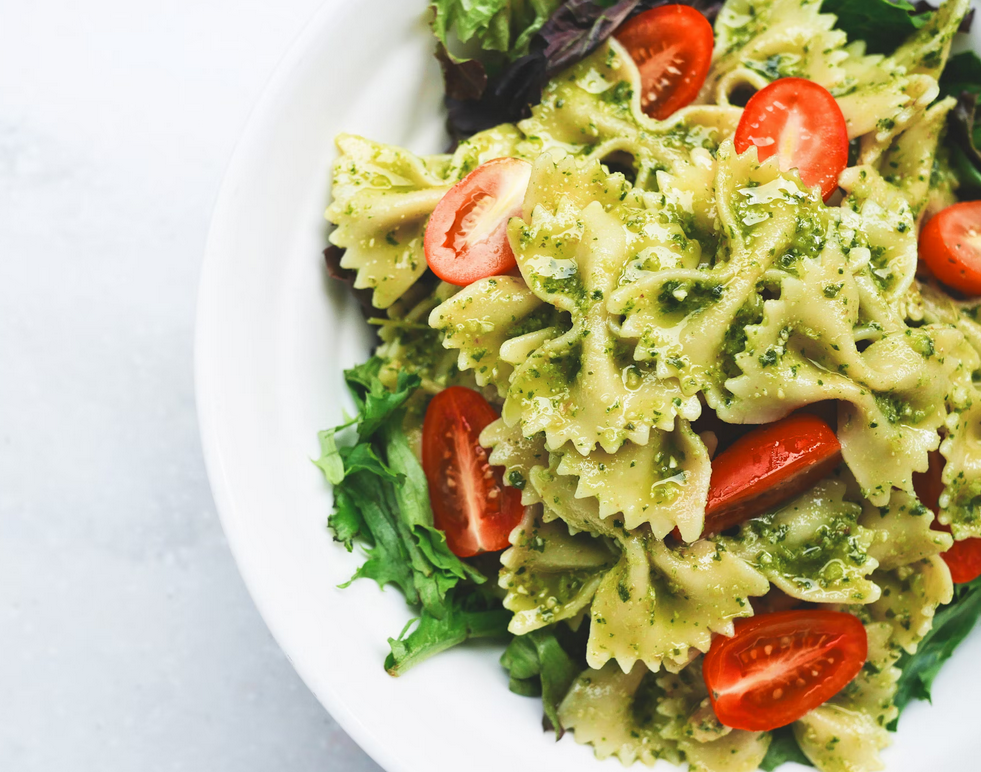
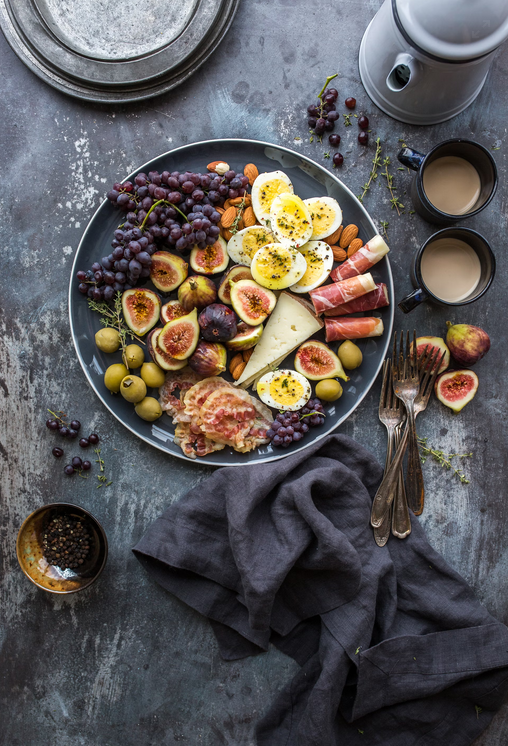
Color contrast is another essential element in food presentation, as it adds vibrancy and visual interest to a dish. Brightly colored ingredients such as fresh herbs, ripe tomatoes, and vibrant fruits not only enhance the appearance of a plate but also signify freshness and quality. Chefs carefully select complementary colors to create harmonious color schemes or use contrasting colors to make ingredients stand out and create focal points within the dish.
Texture plays a significant role in food presentation, offering contrast and depth to each bite. Crispy elements like toasted nuts or fried shallots add crunch and visual appeal, while creamy sauces and velvety purées provide a smooth contrast against tender proteins or al dente vegetables. By incorporating a variety of textures, chefs can create a sensory experience that delights the palate and enhances the overall enjoyment of the meal.
The arrangement of food on the plate should consider both practicality and aesthetics. Chefs often use negative space—the empty areas around and between food items—to create a sense of elegance and sophistication. Plating techniques such as stacking, layering, and fanning allow chefs to showcase different components of a dish while ensuring that each element remains distinct and visually appealing.
Garnishes and decorative elements add the finishing touches to a well-presented dish, enhancing its visual appeal and communicating the chef’s attention to detail. Fresh herbs, edible flowers, microgreens, and citrus zest are commonly used as garnishes to add color, texture, and flavor accents to a plate. Chefs may also use sauces, reductions, and drizzles to create artistic patterns or abstract designs that complement the flavors and textures of the dish.
In addition to aesthetics, the art of food presentation extends to the sensory experience of dining. Plates should be served at the appropriate temperature to ensure that hot dishes remain warm and cold dishes stay chilled until they reach the diner’s table. The presentation of food should also consider portion sizes and serving sizes that are appropriate for the occasion, ensuring that guests feel satisfied without being overwhelmed by the quantity of food presented.
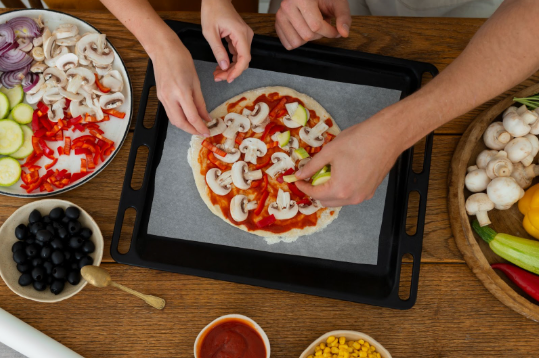
Beyond restaurants and professional kitchens, home cooks can also embrace the principles of food presentation to elevate their meals and create memorable dining experiences. Simple techniques such as using colorful plates and bowls, arranging food in visually appealing patterns, and garnishing dishes with fresh herbs or citrus zest can enhance the presentation of home-cooked meals. By paying attention to detail and experimenting with different plating techniques, home cooks can transform everyday dishes into culinary masterpieces that delight family and friends.
The art of food presentation is not just about aesthetics; it is a reflection of culinary creativity, attention to detail, and respect for ingredients. By embracing the principles of balance, color contrast, texture, and garnish, chefs and home cooks alike can elevate their dishes and create memorable dining experiences that engage the senses and celebrate the artistry of food. Whether in a Michelin-starred restaurant or a cozy kitchen at home, the art of food presentation invites us to appreciate the beauty and craftsmanship that goes into each plate and encourages us to savor every bite with all our senses.