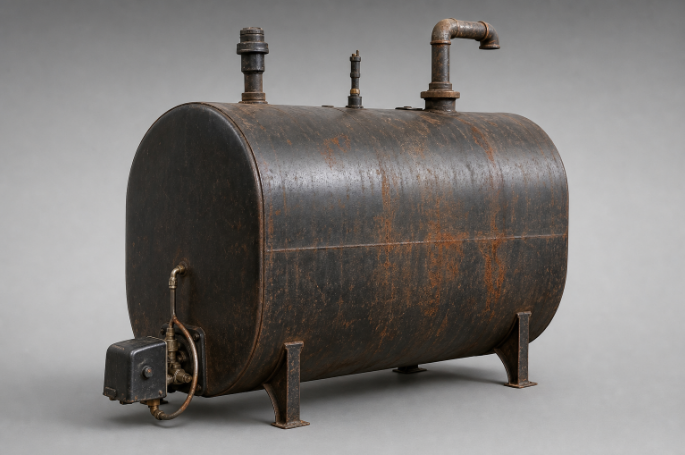

An old heating oil tank can remain out of sight for years, particularly when it is buried or tucked into a basement corner. However, delaying a review can turn a manageable maintenance decision into an urgent project after a leak, renovation, flooding event, or property inspection.
Homeowners in Rockland County who are comparing local options can review oil tank removal Montebello, NY services from Tank Masters Environmental Inc. The Montebello service page describes oil tank removal, tank abandonment, and soil and groundwater remediation. Based in Warwick, New York, the environmental contractor serves Rockland County along with Orange, Westchester, Putnam, and other Hudson Valley areas, making it a relevant resource for owners who need a contractor familiar with residential tank concerns and potential site cleanup.
Why Aging Tanks Need Attention
Steel tanks and fuel lines can corrode over time. Aboveground tanks may show their condition through exterior rust or damp spots, but underground tanks can conceal damage until oil reaches the surrounding soil. An unused tank is not automatically leaking, and age alone does not prove failure. Still, older equipment warrants a thoughtful review because corrosion risk generally increases with time.
For a practical overview of leak signs, tank closure choices, and reporting considerations, homeowners can consult the New York State homeowner guide for underground heating oil tanks. Local rules can be more specific than statewide guidance, especially where county or municipal agencies oversee smaller residential tanks.
Warning Signs to Check
A homeowner can perform a simple visual review without opening the tank, handling fuel, or entering a confined area. Look for:
- Rust, pitting, bulges, dents, seepage, or wet areas on an aboveground tank.
- Oil odors in a basement, garage, crawl space, or around fill and vent pipes.
- Stained soil, dying vegetation, oily puddles, or a rainbow sheen on standing water.
- Loose fittings, cracked vents, unsupported piping, or visibly damaged fuel lines.
- An unexplained increase in fuel use or a drop in tank level when the system is not using oil.
- Recent flooding, excavation, ground movement, or construction near a buried tank.
If fumes are strong or a spill is suspected, do not use matches, start equipment nearby, or attempt a do-it-yourself repair. Move away from the affected area and contact an appropriate professional or local emergency authority.
What to Do Before Work Begins
- Gather installation records, maintenance invoices, fuel delivery records, prior test results, and photographs.
- Identify whether the tank is aboveground, underground, indoors, empty, or connected to an active heating system.
- Ask the local building, fire, or environmental office about permits, inspections, and closure requirements.
- Contact the oil supplier if usable fuel remains and arrange safe handling if necessary.
- Photograph the tank, access points, piping, surrounding ground, and any staining before work starts.
- Have underground utilities located before anyone excavates near a buried tank.
Do not assume a neighbor’s past project followed the same requirements. Rules may differ by state, county, municipality, tank capacity, and property conditions.
Removal or Abandonment?
There is no universal answer. The right path depends on access, tank condition, contamination concerns, structural obstacles, and future plans for the property.
- Full removal: Often makes sense when the tank is accessible, the yard will be redeveloped, or a future buyer wants the tank gone. Ask how soil will be observed or sampled, how the tank will be transported, and what disposal documentation will be provided.
- Professional abandonment in place: May be considered when removal could disturb a foundation, driveway, retaining wall, or utility. It is not simply leaving the tank underground. Proper closure typically includes removing contents, cleaning and purging the tank, using approved inert fill material, sealing or addressing fill lines, and documenting the work.
- Repair or replacement: May fit an active heating system when the existing tank remains suitable or when a safer replacement is needed. Confirm that the new tank, piping, venting, and protective equipment meet current local requirements.
When Soil and Groundwater Enter the Picture
Even a slow release can migrate beyond the tank area. Soil sampling may be recommended during removal, especially if there is staining, odor, damaged piping, a nearby well, a basement concern, or water features such as wetlands, ponds, and streams. Documentation matters: photograph visible conditions, save contractor notes, and retain laboratory results.
If contamination is suspected, pause nonessential digging, landscaping, or basement work in the affected area until the site is assessed. Report a suspected release through the appropriate state or local channel, then follow the direction given by the responsible agency and qualified environmental professionals.
Oil Tanks and a Future Home Sale
An old or undocumented tank can raise questions during a buyer inspection, lender review, or environmental assessment. Sellers should not conceal a tank, a past leak, or a cleanup event. Useful records include permits, closure or abandonment certificates, removal reports, disposal receipts, photographs, inspection notes, soil reports, laboratory results, and invoices.
When a transaction is active, discuss the situation early with the real estate agent, attorney, insurer, and local officials. A clear paper trail can help all parties understand what was found, what work was completed, and whether additional review is needed.
How to Choose a Qualified Professional
- Ask whether the contractor handles both aboveground and underground residential tanks.
- Request proof of insurance, relevant licensing, training, and local approvals.
- Get a written scope that addresses fuel removal, cleaning, excavation, testing, disposal, remediation, and site restoration.
- Confirm who will obtain permits, coordinate inspections, arrange laboratory analysis, and make required reports.
- Request references or examples of comparable residential projects.
- Compare complete estimates, not just the lowest starting price.
Common Homeowner Questions
How can a homeowner tell if an oil tank is leaking?
Warning signs include oil odors, visible rust or wet spots, stained soil, damaged pipes, oily water, and unexplained fuel loss. Some leaks have no obvious early symptoms, so professional evaluation may be appropriate for an aging or undocumented tank.
Is it better to remove an underground tank or abandon it?
Removal can provide a clearer view of the tank and the surrounding soil. Abandonment may be appropriate where excavation creates structural risk. Local rules, site access, future property use, and evidence of contamination should guide the decision.
Can a homeowner remove a tank without professional help?
It is generally unwise. Fuel handling, flammable vapors, excavation hazards, disposal requirements, and possible contamination require planning and specialized equipment.
Does insurance pay for oil tank cleanup?
Coverage varies widely. Review pollution exclusions, endorsements, deductibles, and reporting obligations with an insurance professional before authorizing work.
What documents should be kept after the project?
Keep permits, inspection results, photos, invoices, disposal records, soil reports, laboratory findings, and all removal or abandonment paperwork.
Conclusion
An old heating oil tank is easier to address before a leak, renovation, or home sale creates time pressure. A careful review, early documentation, confirmation of local requirements, and qualified help can reduce surprises while protecting the property and the surrounding environment.